

 Divya
DivyaAlthough parenting brings great rewards, it can frequently feel completely overwhelming. Busy schedules, repeated reminders, and challenging behavior often test your patience. Many parents lose their temper despite their best intentions. Learning how to stop shouting at your kids can strengthen your relationship and create a calmer home environment.
The goal is not to become a perfect parent. Rather than reacting out of frustration, the purpose is to respond with patience.
Practical Ways to Stop Shouting at Your Kids
If you want to stop shouting at your kids, start by understanding your own emotional triggers. Small changes in your daily routine can improve your reactions and help your children feel more secure.
1. Identify What Triggers Your Anger
Every parent has stress triggers. Lack of sleep, work pressure, or constant interruptions can increase frustration. Notice the situations that make you lose control. Understanding your triggers helps you respond thoughtfully instead of reacting emotionally.
2. Pause Before Responding
When emotions rise, avoid speaking immediately. Take a deep breath or count to ten. Even a short pause can reduce anger. This simple habit helps you stop shouting at your kids during difficult moments.
3. Set Clear and Realistic Expectations
Children learn through mistakes. They cannot behave perfectly every day. Explain household rules clearly and keep expectations appropriate for their age. Realistic expectations reduce conflict and make parenting less stressful.
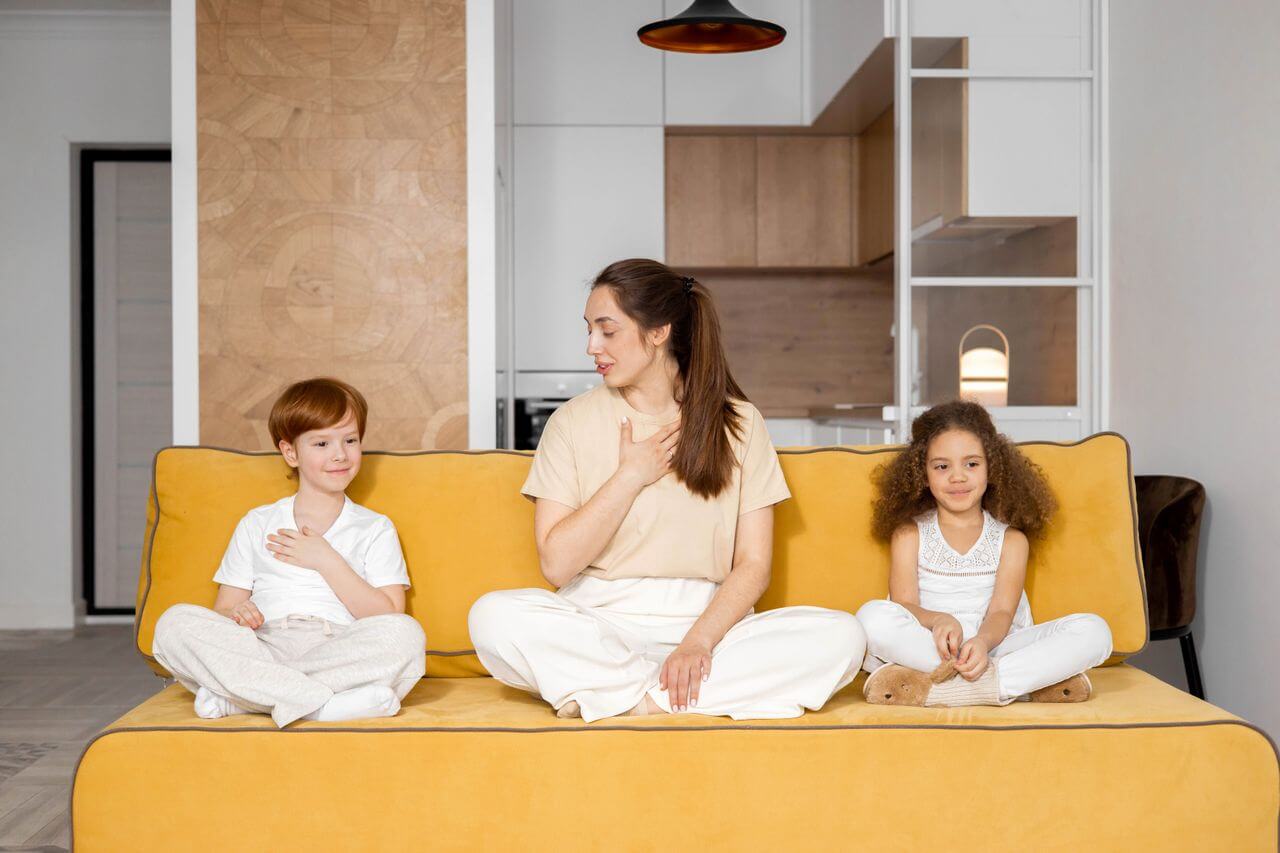
4. Use Calm and Respectful Communication
Speak in a firm but gentle tone. Before you provide any instructions, ensure you lower yourself to your child’s eye level. Calm communication improves cooperation. It also helps you stop shouting at your kids while teaching respectful behavior.
5. Take Care of Yourself
Parents need rest and support too. Eat healthy meals, sleep well, and make time for activities you enjoy. Managing your own well-being improves patience. Self-care makes it easier to stop shouting at your kids consistently.
6. Praise Positive Behavior
Children respond well to encouragement. Notice and appreciate good behavior instead of focusing only on mistakes. Positive reinforcement motivates children to repeat desirable actions. This approach reduces frustration for both parents and children.
7. Repair the Relationship After Mistakes
Every parent loses patience sometimes. If you shout, apologize sincerely and explain your feelings calmly. Children learn accountability through your example. Repairing the relationship helps you stop shouting at your kids over time by building trust and understanding.
Benefits of Calm Parenting
Children feel safer when parents remain calm. Peaceful communication improves emotional security, confidence, and cooperation. Families also experience fewer arguments and stronger relationships. Choosing to stop shouting at your kids creates a more positive atmosphere for everyone.
Conclusion
Changing parenting habits takes time and patience. Small improvements each day lead to lasting results. When you actively stop shouting at your kids, you create a home filled with trust, respect, and open communication. Focus on progress instead of perfection. Your calm presence becomes the greatest lesson your child will ever learn.
[Read 7 Real Tips For Balanced Screen Time And Safer Kids]
FAQs
Is shouting at children harmful to their emotional development?
Yes, frequent shouting can affect a child’s emotional security, confidence, and trust. Calm, respectful communication helps children feel safe while encouraging healthy emotional and social development.
What are the long-term effects of yelling at children?
Repeated yelling may contribute to anxiety, low self-esteem, emotional withdrawal, or aggressive behavior. Positive discipline and supportive communication encourage healthier long-term emotional and behavioral outcomes.
Why is it so hard to stay calm when my child misbehaves?
Stress, exhaustion, unrealistic expectations, and repeated challenging behavior can make staying calm difficult. Recognizing personal triggers and practicing self-regulation helps parents respond more patiently.






Add comment